The science behind the world's safest pools.
International Certifier of Water Efficiency, Ecology, Health and Safety. Recognized by the Technical Standard for Aquatic Facilities of the State of Mexico and the sanitary guidelines for establishments managing contact water in Mexico City.
CIEESSA International Symposium 2026
Healthy, Safe, Sustainable and Inclusive Operation of Aquatic Facilities
Concurrent with the 3rd International Forum on Sanitary Regulation
An intensive day at UNAM, Mexico City (November 30, 2026), where the science, regulation and practice of contact water converge at the highest international level. Researchers, scientists and health authorities present up-to-date scientific evidence — this is not a basic course, it is the leading technical-regulatory forum for the sector.
International voices
Speakers from the CMAHC, U.S. public health and Mexican authorities in a single forum.
Practical application
Intensive physicochemical water analysis workshop across all 3 days — learn by doing.
Official certificate
CIEESSA professional recognition. An asset for your technical-regulatory career.
Limited to 60 seats · Pre-sale until October 27 · Includes access to talks, materials and official CIEESSA certificate
The true value of water is not measured in money
When humanity understands this, it will grasp the urgency of caring for it.
A qualified technician does not waste water to fix mistakes. They apply the science and technology at hand to prevent the problem at its source.
Sources: USGS, UN, Aquae Foundation, UNESCO
Applied science, signed results
As part of a comprehensive technical audit conducted by CIEESSA at the School of Sports of the Autonomous University of Baja California, the impact of replacing conventional sand with Zeoklear (high-quality activated zeolite — Hidroklear line) in backwashing was documented. Result verified by Dr. Emilio Manuel Arrayales Millán, Director of the School at the time of the study, through official letter 483/2019-1 dated May 21, 2019.
UABC's monthly savings alone could serve 223 people every month
Calculation based on an average consumption of 125 liters per person per day. A single university. A single technical change. Seven years sustaining the result.
The figure from the UABC letter counts backwashing only. It does not include partial or total drainings avoided due to cyanuric acid (CYA) buildup, nor losses from archaic flocculation with drain vacuuming — practices inherited from the last century that can waste over 22,700 liters in a single event.
And if Mexico replicated the model
Mexico has approximately 62,000 aquatic facilities across hotels, resorts, sports clubs, university centers, water parks, federal agencies and residences. If all of them applied preventive science instead of draining to correct:
The knowledge exists. The technology exists. What's missing is the will to replicate it
The first ecological step is not recycling: it is optimizing usage. Then, reuse. Only at the end, appropriate recycling. There is always a way — what's missing is the will.
Technical-Scientific Committee
International researchers, scientists and health authorities who form CIEESSA's academic backing. Assignments to talks, panels and workshops for the 5th Symposium will be published soon.
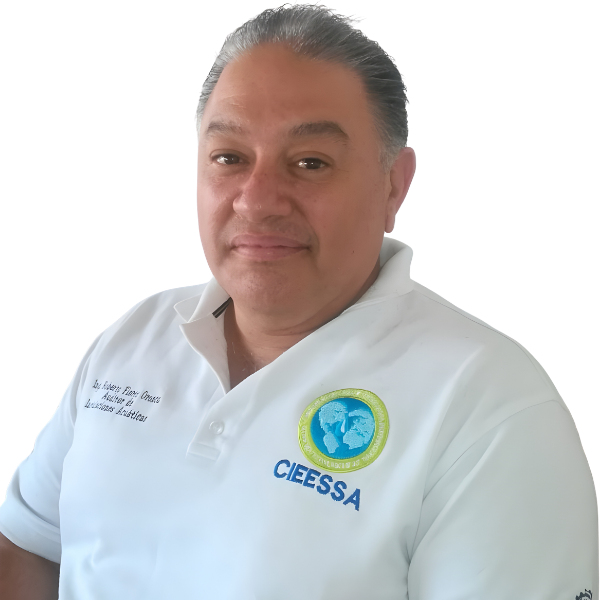
Author of the most comprehensive Spanish-language technical manual in the Americas (Trillas, 2014). President of CIEESSA and of WELL (water-experts.org). Specialization course and two graduate programs from La Escuela del Agua (Veolia); accredited UPC Master's degree in progress. The only Mexican member of the CDC's CMAHC.
Learn more
President and founder of CIEESSA. President of WELL — Water Experts and Latino Leadership (water-experts.org), a professional network connecting Latino water specialists across the Americas. Graduate training through La Escuela del Agua (Veolia's educational institution in Spain): a Specialization Course and two Executive Development graduate programs in water management, handling, and treatment. Currently pursuing an accredited Master's degree at the Universitat Politècnica de Catalunya (UPC, Barcelona). Author of the Manual de Operación del Agua Recreativa, Riesgos, Tratamientos y Normas (Trillas, 2014) — the most comprehensive Spanish-language technical manual in the Americas. Active member of the CDC's Council for the Model Aquatic Health Code (CMAHC). Co-author of the State of Mexico Sanitary Technical Standard and the CDMX Technical Sanitary Guidelines. Since 1990, has trained operational staff at UNAM, SEDENA, Sports City, Four Seasons Beverly Hills, Santa Barbara School District, and transnational hotel chains in Mexico and the US.
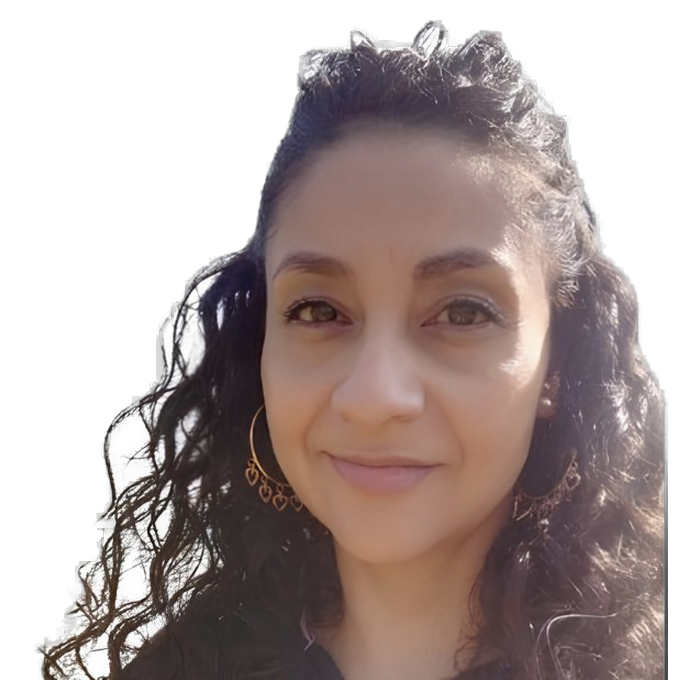
Biologist. Led the technical project that gave rise to the State of Mexico Sanitary Technical Standard for Aquatic Facilities (COPRISEM).
Learn more
Biologist, Vice President of CIEESSA and member of the Board of Directors. Led the pool technical project for COPRISEM that gave rise to the State of Mexico Sanitary Technical Standard for Aquatic Facilities. Specialist in aquatic biology, facility certification, and sanitary regulation.

Coordinator of Physical Culture and Sport at ENEO-UNAM. In charge of the UNAM School Health Program.
Learn more
Executive Director of CIEESSA and member of the Board of Directors. Degree in Nursing and Obstetrics (UNAM), specialist in Physical Culture and Sport (UNAM), master's candidate in Sports Nutrition. Coordinator of Physical Culture and Sport at UNAM's National School of Nursing and Obstetrics (ENEO). In charge of the School Health Program and collaborator at UNAM's Center for Sports Studies.
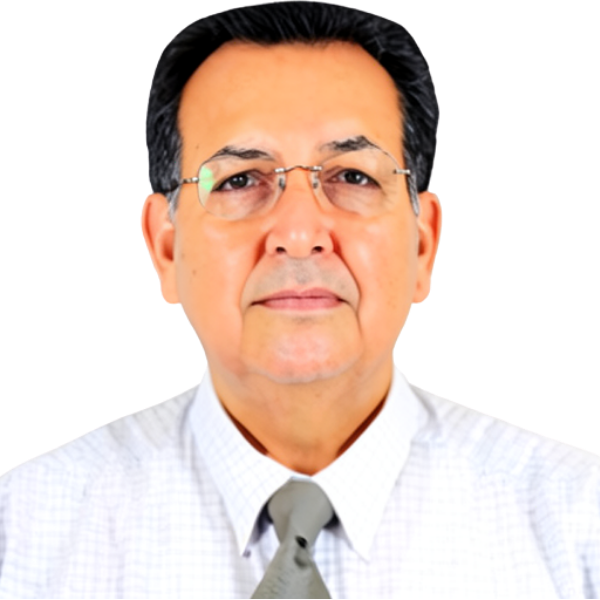
A world reference on free-living amoebae. A new species bears his name: Naegleria laresi.
Learn more
Member of CIEESSA's Board of Directors. Bacteriologist Chemist and Parasitologist, Master's and PhD in Science (Clinical Biology) from IPN's ENCB. Research professor specialized in free-living amoebae and head of ITSON's Molecular Biology Laboratory. In recognition of his contributions, a new species bears his name: Naegleria laresi.
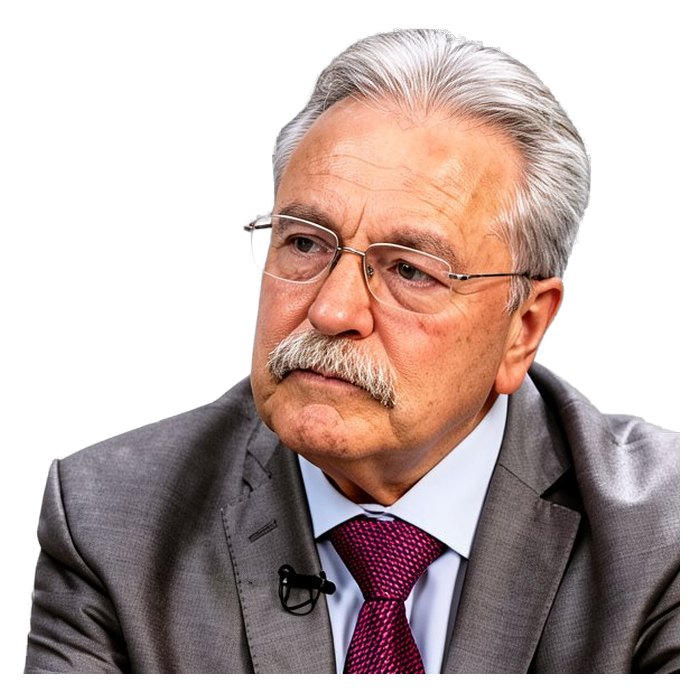
First Director General of AGEPSA when operations began in 2011. A founding figure of Mexico City's sanitary regulatory institution.
Learn more
First Director General of the Mexico City Government's Sanitary Protection Agency (AGEPSA) when it formally began operations in July 2011.
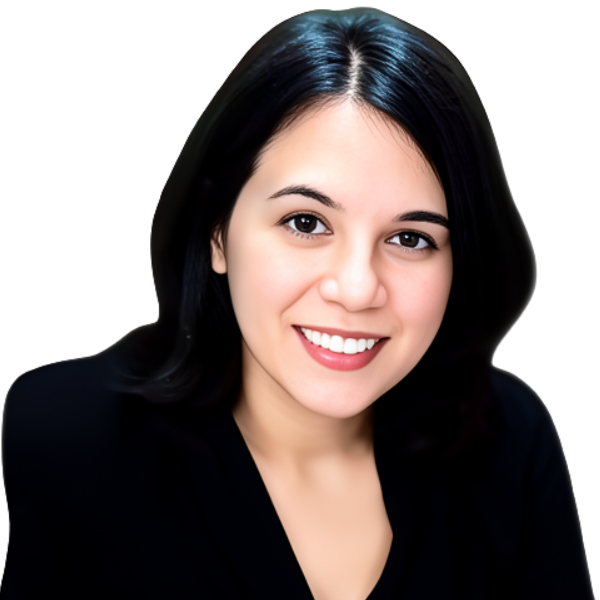
Chief of the CDC's Healthy Swimming Program. 70+ peer-reviewed publications. Leads CryptoNet, national cryptosporidiosis surveillance.
Learn more
Chief of the CDC's Healthy Swimming Program. Master's in Public Health with a focus on epidemiology from Emory University. Leads CryptoNet, the national cryptosporidiosis surveillance system using DNA fingerprinting.
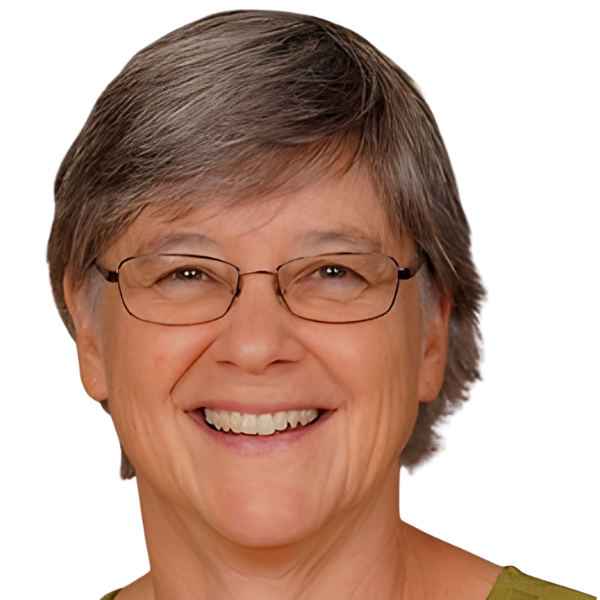
PhD from Northwestern. 30+ years in pool chemistry. Vice Chair of the CMAHC Technical Review Committee. Co-author of the landmark 2019 CYA/Cryptosporidium study.
Learn more
Product Safety and Government Affairs Manager at Solenis. PhD in chemistry from Northwestern University. More than 30 years of experience in the pool chemistry industry.
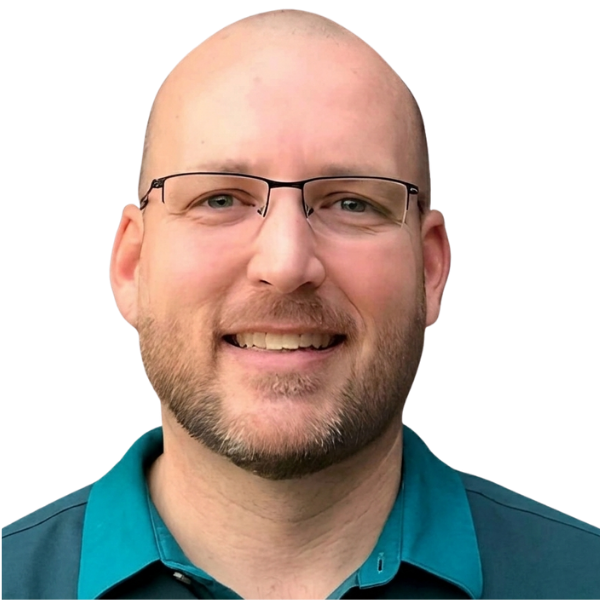
20 years of service to the aquatic industry. Recognized as an Aquatic Lifer by Aquatics International (2018 Power Issue).
Learn more
Technical Director of the Council for the Model Aquatic Health Code (MAHC/CDC), with 20 years of full-time service to the aquatic industry.

Lead author of the peer-reviewed paper that established the chlorine/CYA relationship and gastrointestinal risk for swimmers.
Learn more
Engaged in aquatic facility chemistry for more than 14 years. Member of the CMAHC Chlorine Stabilizers Committee.
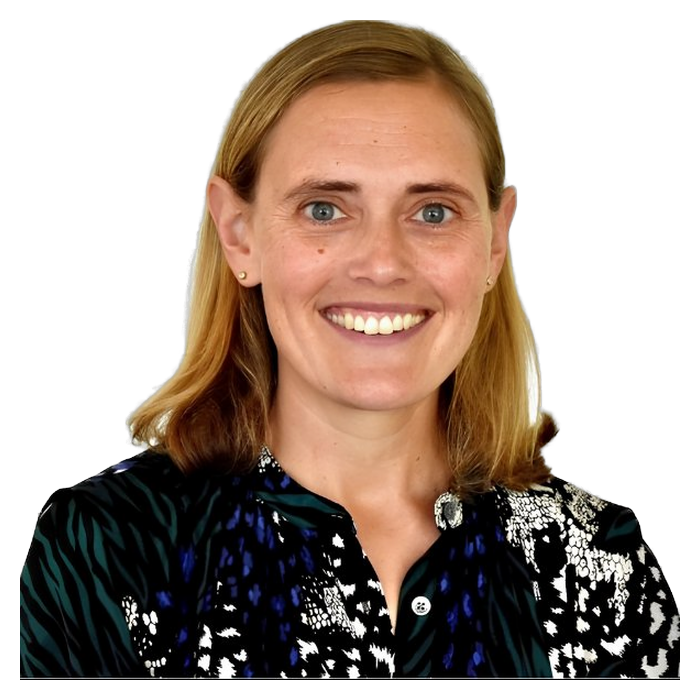
Scientific lead at the Los Angeles County Department of Public Health, the largest aquatic jurisdiction in the US.
Learn more
Scientific lead at the Los Angeles County Department of Public Health, California.

Leads prevention and sanitary response models for recreational water for the state of Utah.
Learn more
Scientist at the Utah Department of Health. Leads prevention and sanitary response models for recreational water.
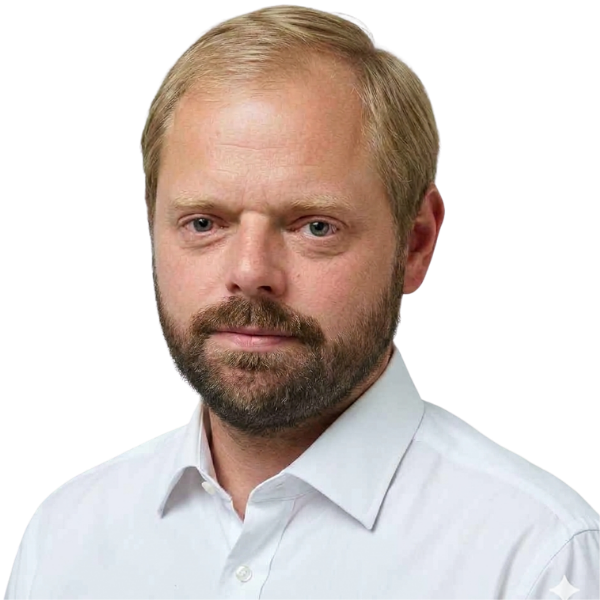
38 years at the NY Department of Health. First CMAHC Executive Director (2014). Leads interpretation of the Model Aquatic Health Code.
Learn more
Served 38 years at the New York State Department of Health. First CMAHC Executive Director (Oct. 2014) and currently Technical Director.
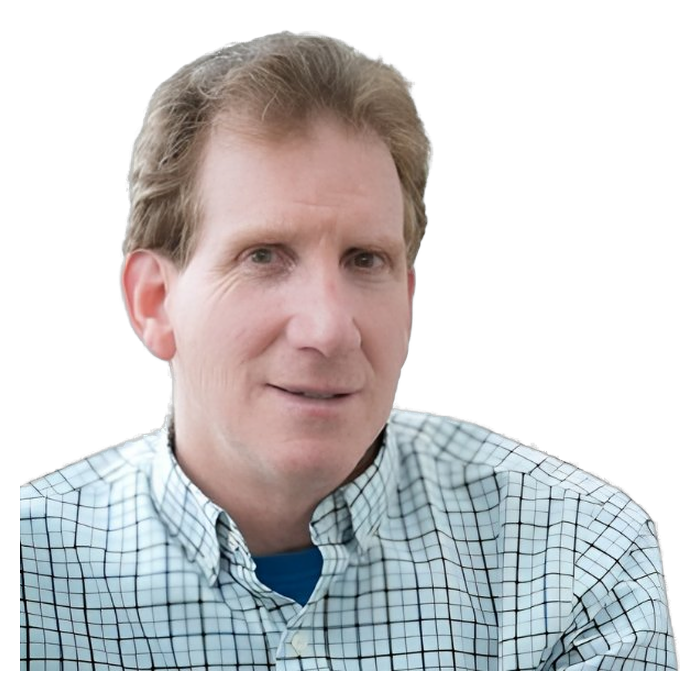
President-Elect of the International Ultraviolet Association. Holder of US patents 11,084,738 and 9,546,100. A world reference in UV-chloramine chemistry.
Learn more
Professor of Environmental and Ecological Engineering at Purdue University. President-Elect of the International Ultraviolet Association (IUVA, 2023).
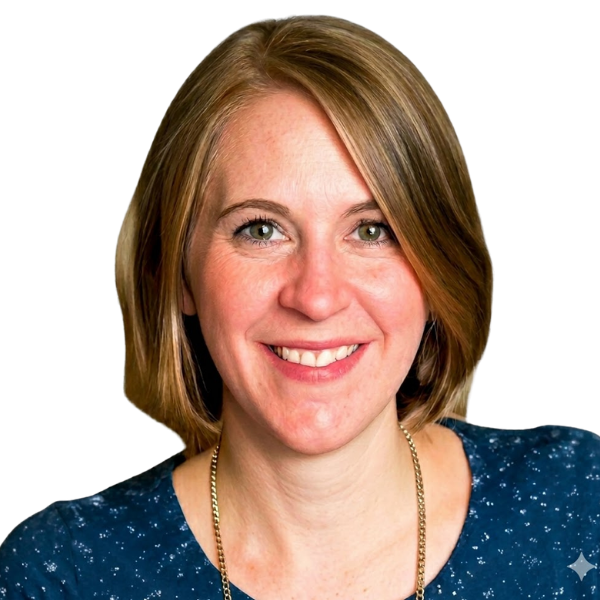
International specialist in aquatic safety and operation of public-use facilities.
Learn more
International specialist in aquatic safety and operation of public-use aquatic facilities.
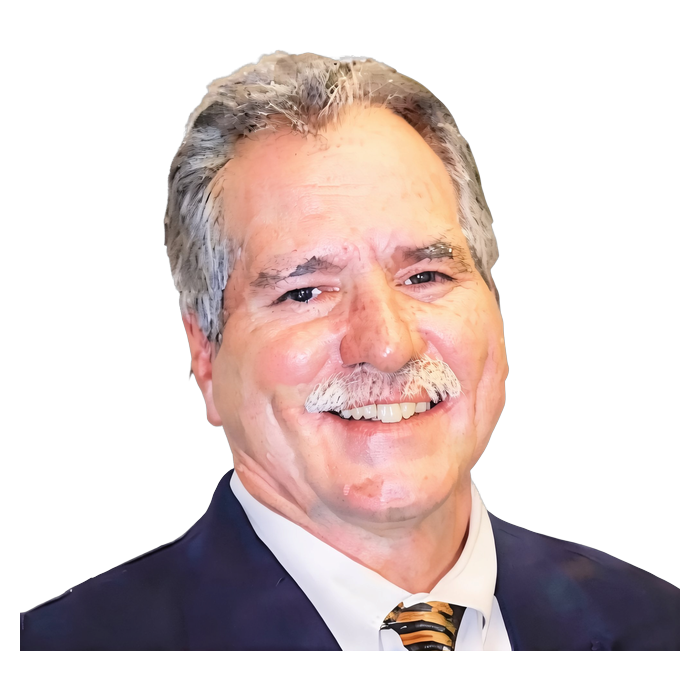
Founder of the Pool Safety Council (Washington D.C.). Inventor of the SVRS and a leading federal voice in accident-prevention regulation in the US.
Learn more
Founder of the Pool Safety Council, a policy-advocacy body based in Washington D.C. President of Vac-Alert Industries since 2000.

16 years at NSF. Senior technical reviewer of NSF/ANSI/CAN 50, the standard for products used in recreational water facilities.
Learn more
16 years of experience in water and food safety at NSF. Currently senior technical reviewer of NSF/ANSI/CAN 50.
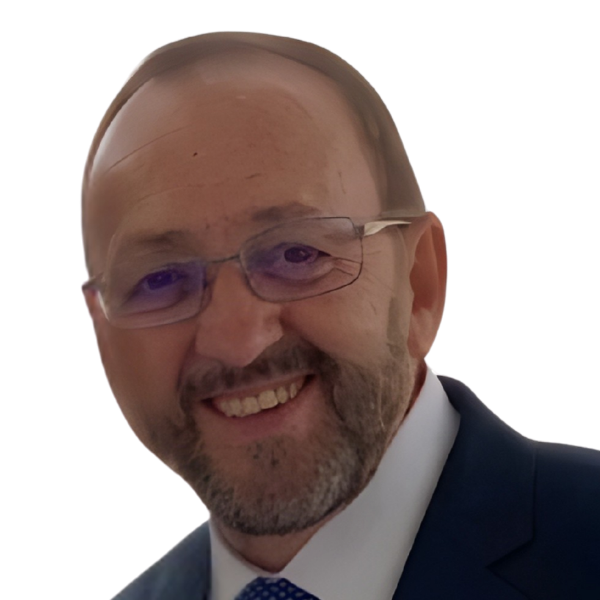
Retired UNAM professor. Former Coordinator of the UNAM Pool, Head Water Polo Coach, and Vice President of the UNAM Swimming Association.
Learn more
Retired professor at Universidad Nacional Autónoma de México (UNAM) with a career in sports management and operation of university aquatic facilities.
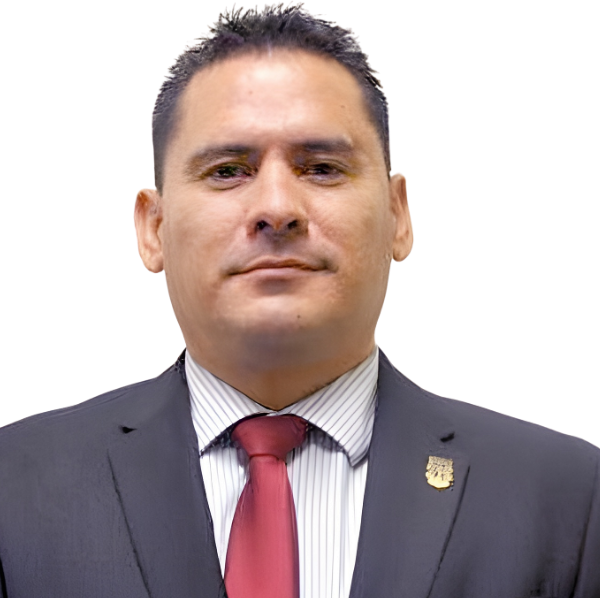
PhD in Sports Science from the Universidad de Extremadura (Spain). Former Director of the UABC School of Sports.
Learn more
PhD in Sports Science from the Universidad de Extremadura, Spain. Former Director of the School of Sports at Universidad Autónoma de Baja California (UABC).
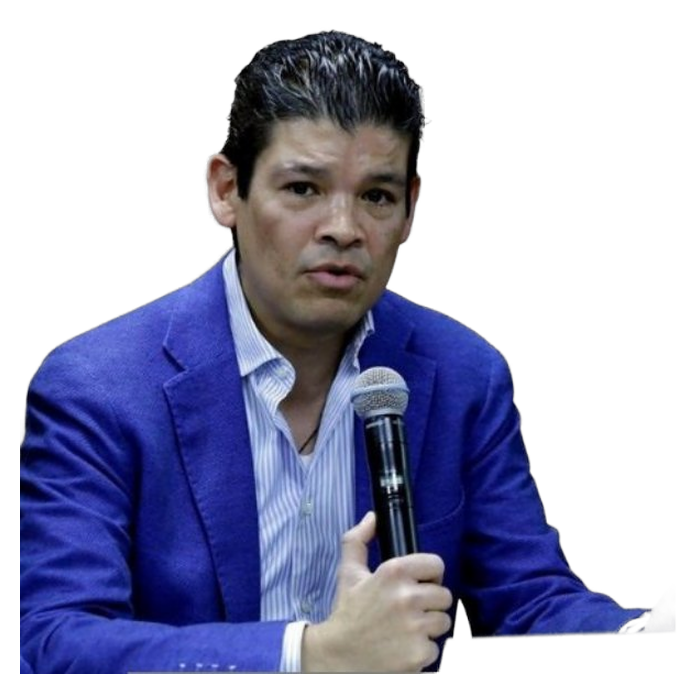
Director of RIASPORT Latin America. SNI Level 1. Leads the UDG-934 Public Policy and Wellbeing Academic Body.
Learn more
Director of the State Network for Applied Research on Sports Safety (RIASPORT) Latin America and Mexico.
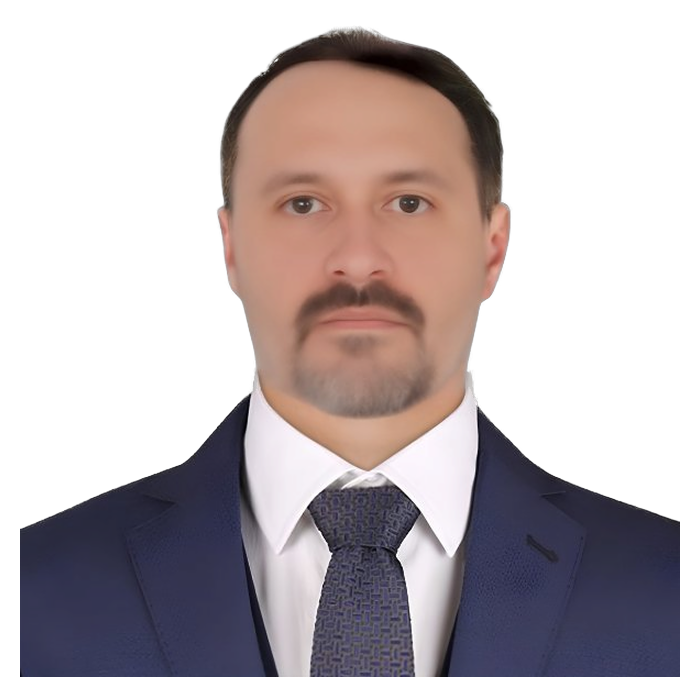
UNAM biologist, 20+ years at CONABIO. Founding Vice President of the FMSRA. Certified in swift-water and flood rescue.
Learn more
Biologist from UNAM's Faculty of Sciences. Biogeographer at CONABIO for more than 20 years. Founding Vice President of the FMSRA.
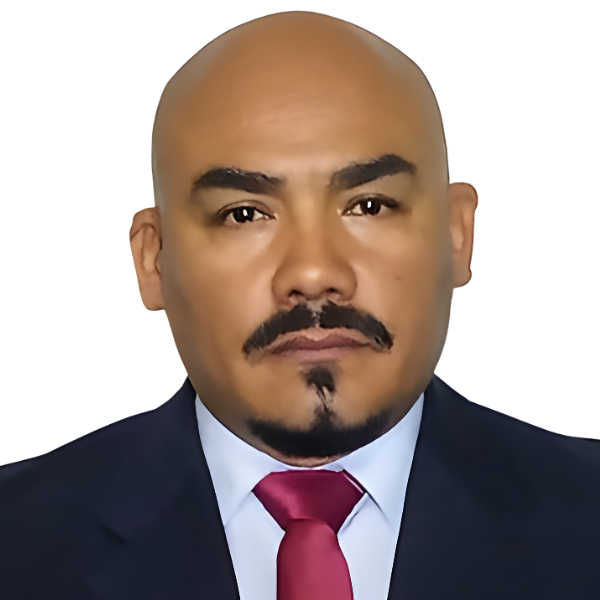
Founding partner and president of the FMSRA. In charge of the Technical Commission of Jalisco's Official Lifeguard Corps. Rescue 3 International Tech-1 certified.
Learn more
Founding partner and president of the Federación Mexicana de Salvamento y Rescate Acuático (FMSRA).
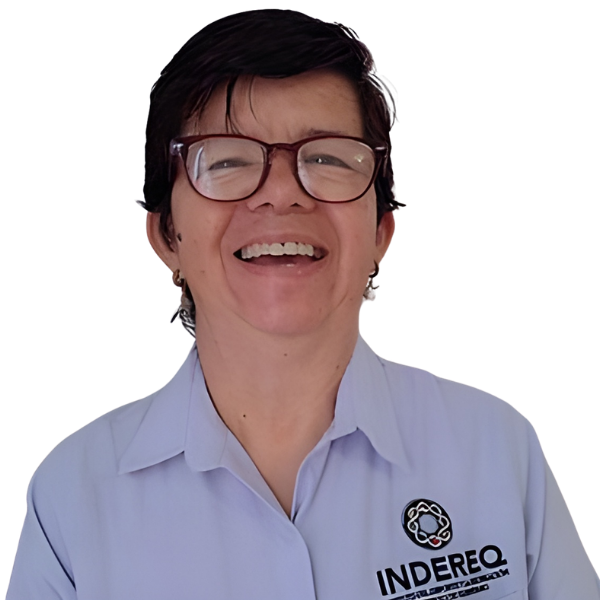
Coach of Querétaro's Wheelchair Representative Team. Her athletes have won more than 1,500 medals.
Learn more
Coach of the State of Querétaro's Wheelchair Representative Team.
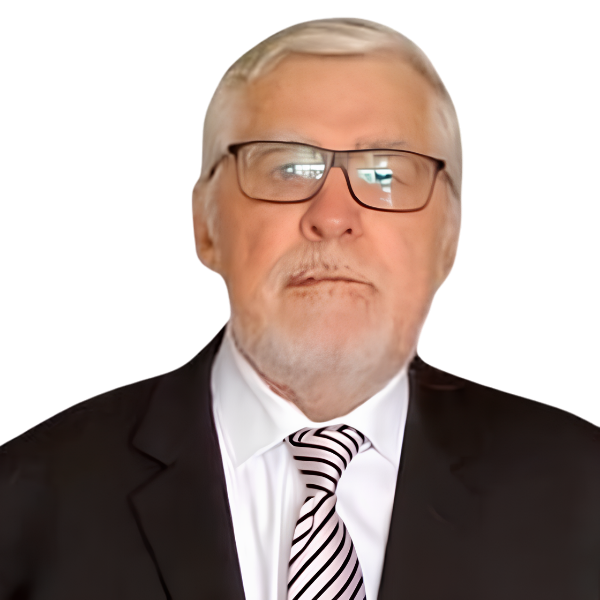
Three-time National Sports Award winner. Director of CONADE (2000–2006). Developed the Mexican swimmers of the 1968 Mexico Olympics.
Learn more
A pillar of Mexican swimming. National coach and technical director for 20 years (1962–1982).
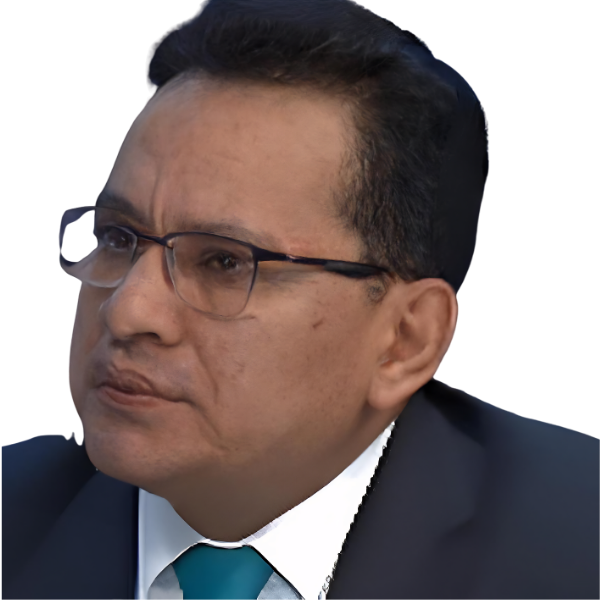
Former Director of Sanitary Promotion at AGEPSA CDMX. A key figure in the initial implementation of CDMX's Technical Sanitary Guidelines for Aquatic Facilities.
Learn more
Former Director of Sanitary Promotion at the Mexico City Government's Sanitary Protection Agency (AGEPSA).
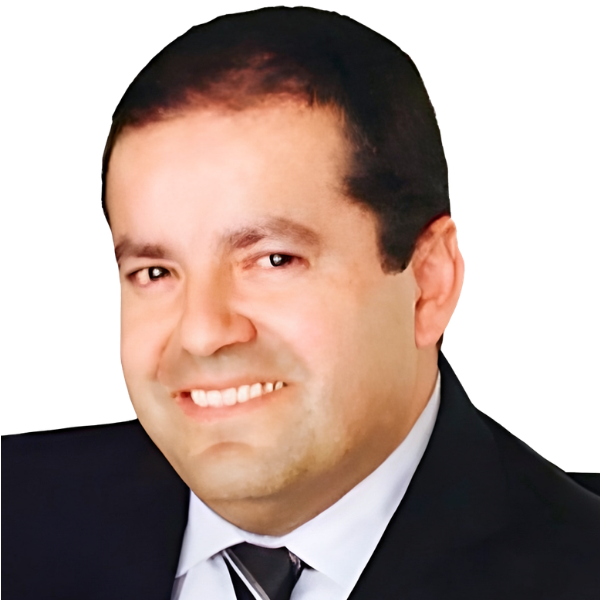
Advisor in COPRISEM's legal department. Professor of Civil Procedural Law. Legal counsel to the Toluca City Council.
Learn more
Specialist in Procedural Law from UAEM's Faculty of Law. Advisor in COPRISEM's legal department.
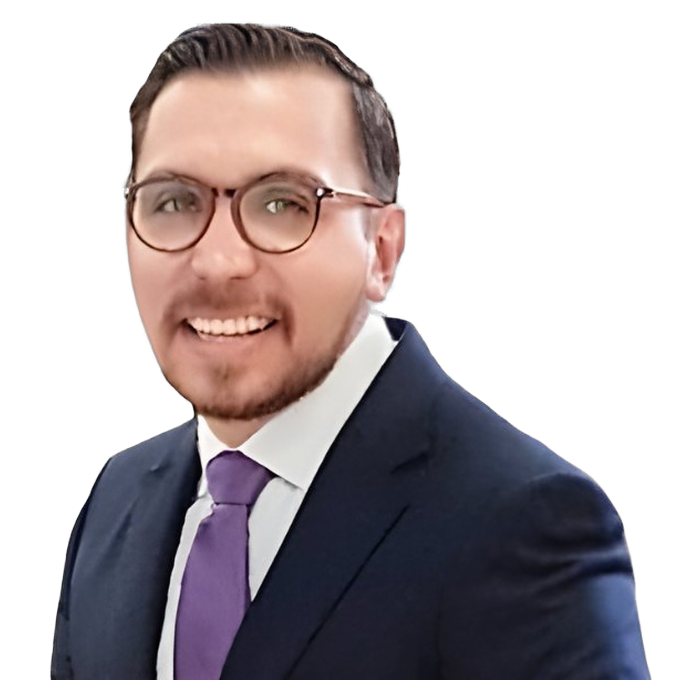
Postdoctorate in Law. Legal Director of COPRISEM since 2017. Legal advisor to the LXI Legislature of the State of Mexico.
Learn more
Postdoctorate in Law from the State of Mexico Bar Association. Legal Director of COPRISEM (2017–present).
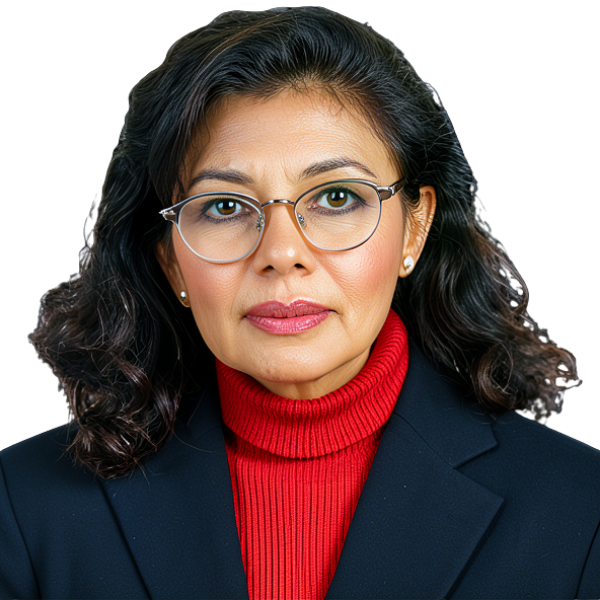
41 years at the Ministry of Health working on water. Technical support for the national water physicochemical quality surveillance project.
Learn more
41 years of experience in water-related matters at the Ministry of Health. Currently at COFEPRIS.
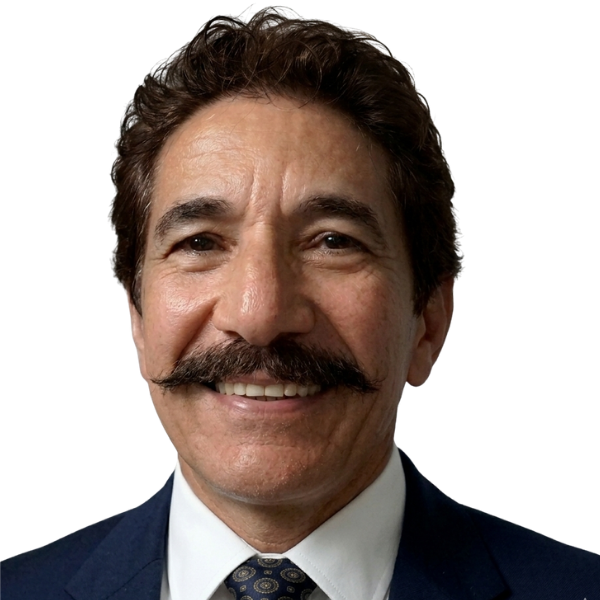
An authoritative voice on federal regulatory frameworks for aquatic facilities in Mexico. Speaker at the 1st edition of the CIEESSA Symposium (2022).
Learn more
Master's in Science. Official at COFEPRIS, Ministry of Health.
In memoriam. His work was fundamental to the development of water sanitary regulation in Mexico.
Learn more
In memoriam. Official at COFEPRIS, Ministry of Health. His work was fundamental to the development of water sanitary regulation in Mexico.
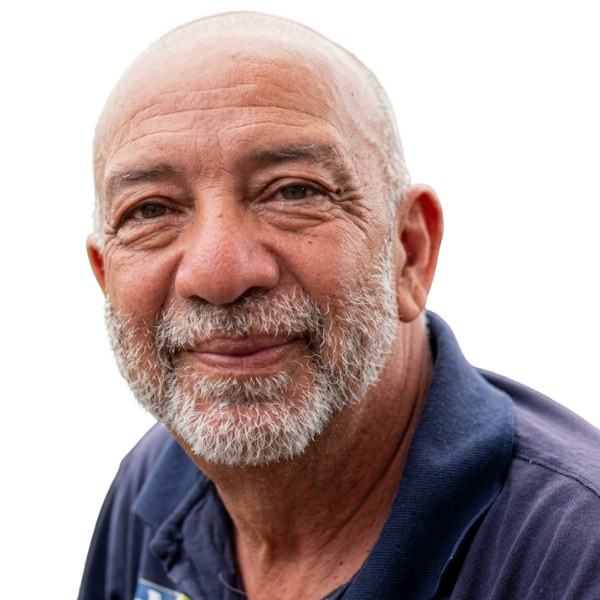
Former coach of the Mexican National Swimming Team. Director and founder of Nadar Sin Fronteras. CIEESSA Symposium speaker since its 1st edition.
Learn more
Former coach of the Mexican National Swimming Team. Director and founder of Nadar Sin Fronteras.
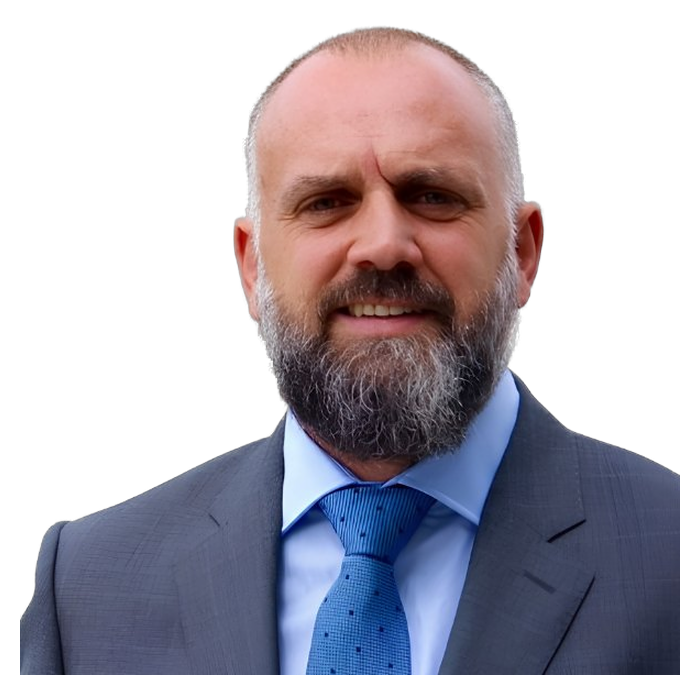
Chair of the ASOPAF Commission for Public-Use Pools. 25+ years in aquatic design and construction under European standards.
Learn more
Chair of the ASOPAF Sector Commission for Public-Use Pools. More than 25 years in the design and construction of aquatic facilities under European standards.
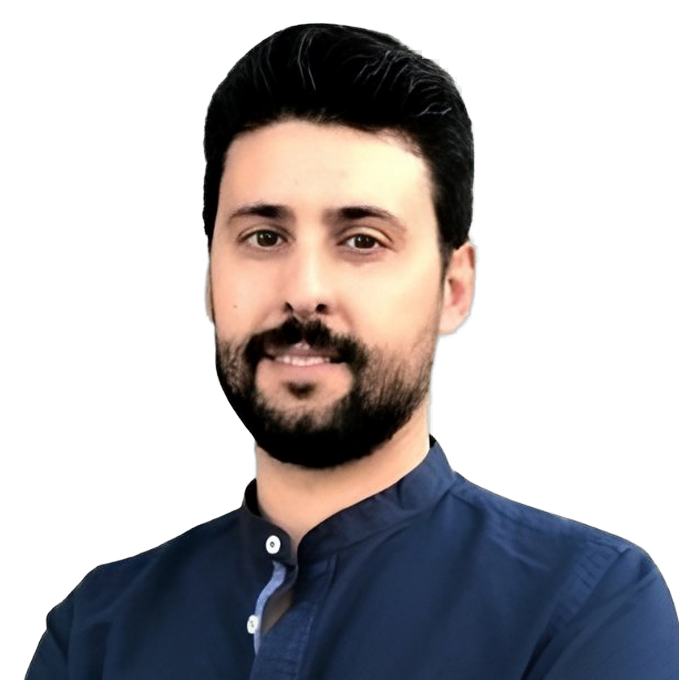
Spanish specialist in operation and water treatment for public-use aquatic facilities.
Learn more
Spanish aquatic sector professional. Brings European operation and water treatment experience to the Committee.
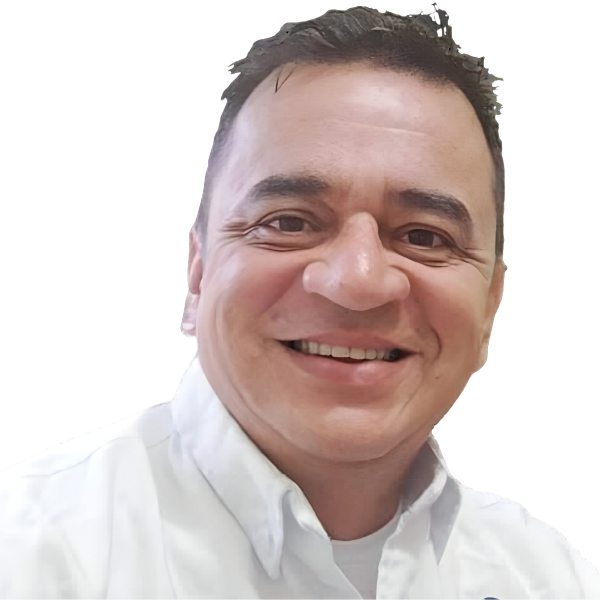
Colombian specialist with experience in water park management, water treatment, and facility operation across Latin America.
Learn more
Colombian professional with a career in water park management across Latin America.
Historical Collaborators
Academic, regulatory and technical bodies that have supported the symposium throughout its editions.

Previous Editions
Four editions consolidate the symposium as the leading technical-regulatory forum for contact water in Latin America.
Founding gathering · Sanitary authorities, academia, and international specialists
Mtro. Sergio Vega Vela (COFEPRIS) · Dr. Fernando Lares Villa (ITSON) · Fernando Ávila † (Teledyne LAARS) · Melon Dash (Miracle Swimming) · M. en C. Gustavo Pérez Ortiz (UNAM · IE / LANCIS) · Natalie Palmer · Julio Tenorio (Nadar Sin Fronteras) · Roberto Antonio Flores Orozco (CIEESSA)
International academic partnership with the Union of Universities of Latin America and the Caribbean (UDUAL)
Paul Pennington (Pool Safety Council) · Dr. José Jesús Trujillo Gutiérrez (primer Director de AGEPSA) · Julio Hernández (Director de Fomento Sanitario, AGEPSA) · Apoyo institucional de UDUAL, Dirección General del Deporte Universitario (UNAM), CECESDE y PUMAGUA
Sanitary engineering applied to aquatic facilities
Sede académica en la Torre de Ingeniería de la UNAM · Convergencia ciencia-ingeniería-regulación
Implementation of the State of Mexico Sanitary Technical Standard
Apoyo institucional de COPRISEM · Aplicación operativa de la NTS estatal
Institutional Recognition
CIEESSA operates under the official Mexican and international regulatory framework, certifying the efficiency, ecology, health and safety of water in aquatic facilities.
Sanitary Technical Standard for Aquatic Facilities
Regulatory framework published in the Official Gazette of the State of Mexico (July 2019). Complements NOM-245-SSA1-2010.
View official documentTechnical Sanitary Guidelines for Establishments with Contact Water
Official guidelines from the Sanitary Protection Agency of Mexico City (AGEPSA), Mexico City Ministry of Health.
View official documentWhat we certify
Equipment
Filtration, dosing, disinfection, analysis and automated monitoring systems, etc.
Products
Chemicals, auxiliary equipment and cross-validation with NSF International.
Facilities
Pools, water parks, aquariums, dolphinariums, ornamental lakes.
Personnel
Operators, Supervisors, Managers, etc., and certified Sanitary Inspectors/Verifiers.
NSF International Validation
CIEESSA endorses and validates NSF International certifications for the Mexican market, ensuring traceability, regulatory relevance and compliance with the Technical Standard for Aquatic Facilities of the State of Mexico.
Few institutions in the Americas have the technical capacity and formal recognition to build this regulatory bridge.
CIEESSA Services
Indicative rates in MXN + VAT. Formal quote in under 24 business hours through capacitacion@cieessa.org.
Certification
We accredit equipment, products, facilities and personnel under official sanitary regulations.
Audits
From project conception to operation. We have audited facilities such as those at UNAM, UABC, Secrets Resorts, dolphinariums and commercial aquariums.
Inspections
Rigorous sanitary inspections with international methodology, aligned with local regulations.
Training
Certifying courses for Operators, Supervisors, Managers and Sanitary Inspectors/Verifiers. In-house programs for large operations.
NSF International Validation
We endorse NSF International certifications for the Mexican and Latin American markets.
Regulatory Advisory
Support on NOM-245-SSA1, complementary standards, Mexico City guidelines and state regulations.
Types of Audited Facilities
We have supported academic institutions, hotel resorts, water parks and marine centers in their certification, audit and sanitary inspection processes.
University and Competition Pools
Premium Hotel Resorts
Dolphinariums and Commercial Aquariums
Water Parks and Attractions
Memberships and Affiliations
Cases that define the urgency
National Short Course Championship
Approximately 400 athletes were poisoned by exposure to pool chemicals during an official competition. A documented case that highlighted the urgency of strengthening technical regulation.
State Swimming Cup
Approximately 300 people affected by chloramines and inadequate water treatment at the Centro Deportivo Norte. CIEESSA promotes the prevention of these incidents through certification and training.
Who We Are
The science behind the world's healthiest, safest and most sustainable pools.
At CIEESSA we are co-authors of the sanitary regulatory framework for aquatic facilities in Mexico:
Sanitary Technical Standard for Aquatic Facilities
Technical Sanitary Guidelines for Establishments with Contact Water
These standards were drafted as an operational complement to NOM-245-SSA1-2010, integrating the international standards of the CDC's Model Aquatic Health Code (MAHC) and NSF/ANSI chemical product validation.
We are the only authorized body in Mexico to train and certify personnel, facilities, operation, products and equipment in the aquatic sector under this regulatory framework.
We are also members of the Council for the Model Aquatic Health Code (CMAHC), connecting regulated Mexican practice with the most demanding international standards.
Academic Programs
Professional certifying courses for Operators, Supervisors, Managers and Sanitary Inspectors/Verifiers. The only official certification accepted by the standards and sanitary guidelines for establishments managing contact water in Mexico City.
Aquatic Facility Operator Certification
Pool maintenance with no secrets: cut costs and improve water quality.
Master the essential techniques for safe and efficient pool management with a 40-hour theoretical-practical program. The only certification officially accepted by the Sanitary Technical Standard of the State of Mexico (COPRISEM) and the CDMX Sanitary Guidelines (AGEPSA).
Certification in Residential Aquatic Facility Operation
Become an expert residential pool operator: chemical balance, backwashing cycle, filtration and volume calculation.
Let's talk
Questions about certification, audits, or training? Write to us and we'll get back to you promptly.